
Water Damage Restoration Companies Near You
Find water damage restoration contractors in your city. Many offer 24/7 emergency response — verify availability directly when you call.
171 contractor profiles across 32+ US cities
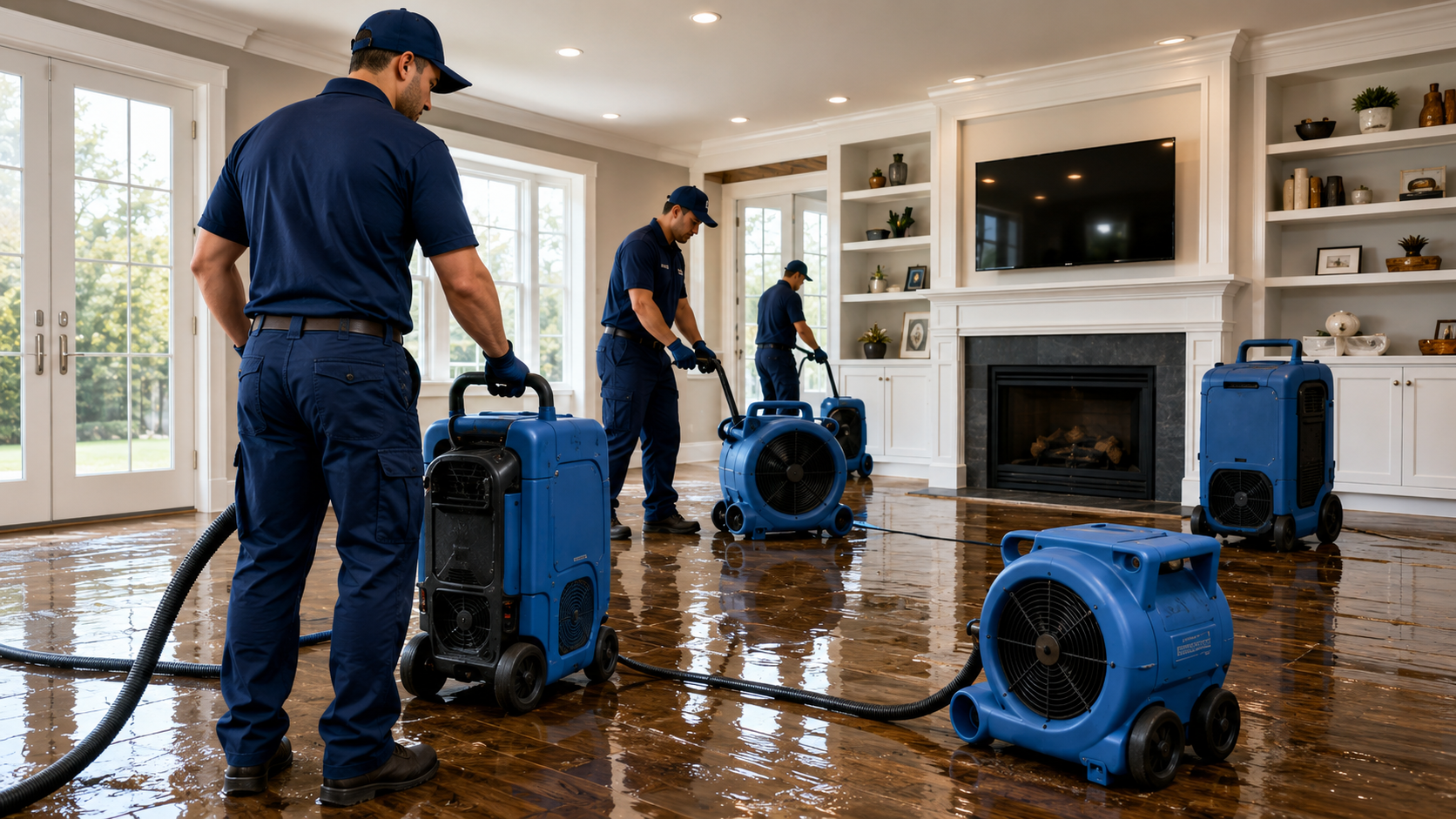
What Is Water Damage Restoration
Water damage restoration is the emergency process of removing standing water, drying affected materials, dehumidifying the space, cleaning contaminated areas, and helping prevent secondary damage such as mold growth.
Fast response matters because water can spread into drywall, flooring, insulation, and furniture within hours. The process includes inspection, water extraction, moisture mapping, structural drying, dehumidification, and mold prevention treatment.
Find Contractors in Your City
Browse top markets with verified water damage restoration contractors
Why Use Repairs911
Contractor Profiles
We list contractor profiles with available licensing, certifications, and business details so you can compare local options.
24/7 Emergency Response
Many contractors on our platform offer around-the-clock dispatch for burst pipes, flooding, and urgent drying needs.
Insurance-Approved
Many listed companies document damage, provide moisture readings, and help homeowners work with insurance claims.
Also Serving These Restoration Needs



Frequently Asked Questions
Water Damage Restoration, explained
Most jobs run between $1,300 and $5,600, depending on the water category, affected square footage, and how quickly drying begins. Clean-water losses caught early are far cheaper than sewage backups or jobs that have already developed mold.
Structural drying typically takes 3–5 days with professional air movers and dehumidifiers. Larger losses requiring demolition and rebuild of drywall or flooring can extend to two weeks or more.
Sudden, accidental damage — a burst pipe or appliance overflow — is usually covered. Gradual leaks and flooding from outside the home are commonly excluded and may require separate flood insurance. Document everything with photos before cleanup begins.
Immediately. Mold can begin forming within 24–48 hours, and standing water spreads into drywall, insulation, and subflooring within hours. The faster extraction and drying start, the lower the final repair cost.
Mitigation is the emergency phase — stopping the source, extracting water, and drying the structure. Restoration is the rebuild: replacing materials and returning your home to its pre-loss condition.
Is Your Business Listed?
Reach homeowners when they need you most. Claim your free profile or upgrade to Featured or Premium.